In a world where technology evolves faster than a cat video goes viral, USB-C to HDMI cables have emerged as the unsung heroes of connectivity. Imagine effortlessly streaming your favorite shows or presenting your latest masterpiece on the big screen without the hassle of tangled wires or outdated ports. These cables are like the Swiss Army knives of the tech world—compact, versatile, and ready to save the day!
Whether it’s connecting a laptop to a TV or linking a tablet to a projector, USB-C to HDMI cables make it all possible. They bridge the gap between devices with grace and style, ensuring that your movie night or important presentation goes off without a hitch. So, if you’re tired of squinting at tiny screens and want to unleash the full potential of your devices, it’s time to embrace the magic of USB-C to HDMI cables.
Overview of USB-C to HDMI Cables
USB-C to HDMI cables provide a convenient solution for connecting a variety of devices, such as laptops, tablets, and smartphones, to HDMI-compatible displays. Many users appreciate their ability to support high-definition video resolutions, allowing for crisp visuals. These cables typically offer support for 4K video output, which significantly enhances the viewing experience when streaming media or during presentations.
Compatibility remains a key feature, as most USB-C to HDMI cables work seamlessly with devices from diverse manufacturers. Users can find cables with varying lengths to suit different setups, ensuring flexibility in arranging workspaces or entertainment areas. Durability often characterizes these cables, with options that include reinforced connectors and braided exteriors to resist wear from regular use.
Some adapters also include additional ports, such as USB-A or USB-C power delivery, which can charge devices while in use. Such multi-functionality proves to be increasingly valuable in mobile and home office environments. Moreover, plug-and-play functionality simplifies the connection process, minimizing troubleshooting for users.
Audio transmission is another advantage of USB-C to HDMI cables. Many of these cables deliver both audio and video signals, negating the need for separate audio connections. Devices equipped with these cables can easily project sound alongside graphic content, enhancing overall media engagement.
Overall, USB-C to HDMI cables emerge as essential tools in modern connectivity, combining efficiency with versatility. They cater to the needs of users seeking reliable connections for a range of applications, from entertainment to professional presentations.
Features of USB-C to HDMI Cables
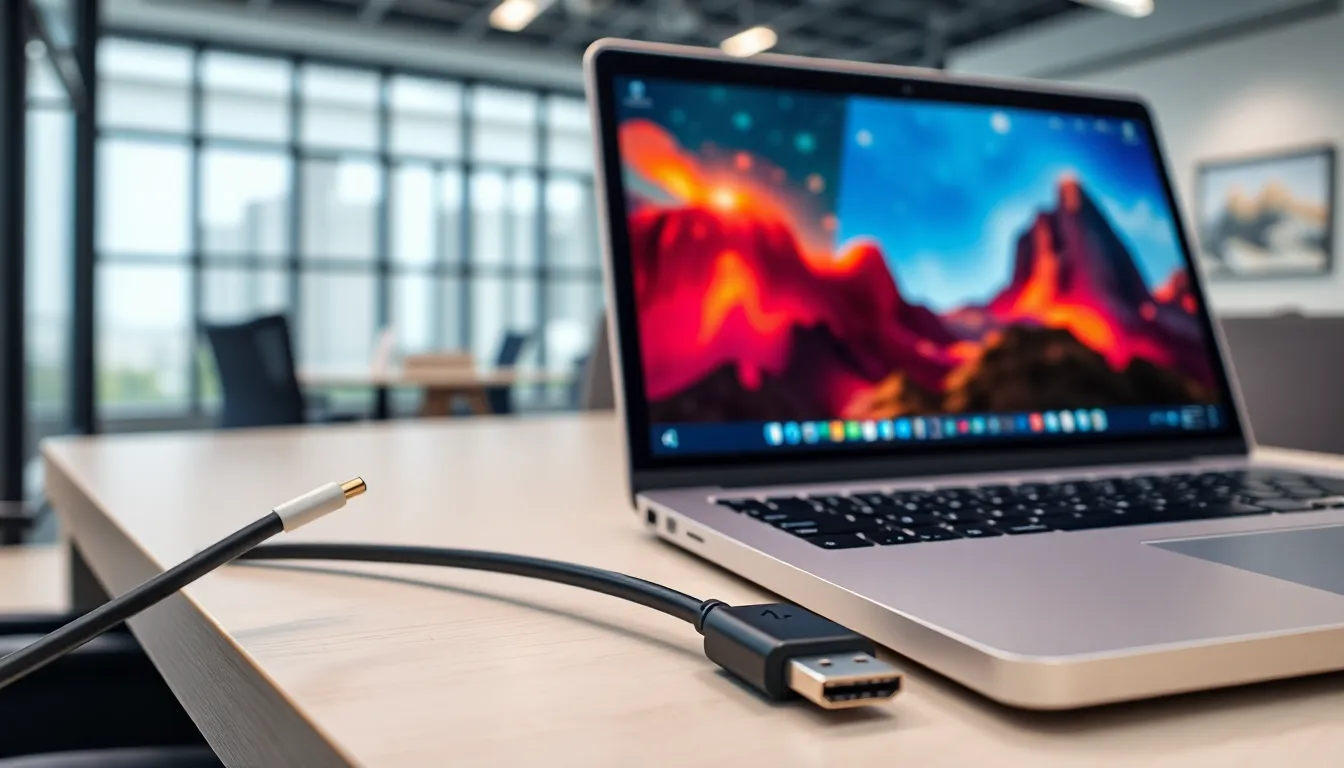
USB-C to HDMI cables provide various features enhancing connectivity and user experience. These cables are designed to meet the increasing demands for high-quality audio and visual output.
Video Resolution Support
Support for high-definition video resolutions is one of the standout features of USB-C to HDMI cables. Many cables facilitate 4K video output at 60Hz, providing exceptional clarity and detail. Users can also find cables that cater to 1080p resolutions, ensuring compatibility with a range of displays. Different brands offer varying levels of support, so checking specifications before purchase is crucial. Enhanced video quality significantly improves presentations, gaming experiences, and streaming services.
Audio Transmission Capabilities
Audio transmission capabilities complement the video features, ensuring a complete audio-visual experience. USB-C to HDMI cables transmit multi-channel audio formats without additional connections. Many cables support surround sound setups, delivering rich auditory immersion alongside high-definition visuals. This integrated audio solution simplifies setups by eliminating the clutter of multiple cables. Reliable audio performance enhances movie nights, gaming sessions, and professional presentations.
Benefits of Using USB-C to HDMI Cables
USB-C to HDMI cables offer significant advantages, especially in terms of device compatibility and enhanced performance.
Compatibility with Devices
USB-C to HDMI cables connect a wide array of devices, including laptops, tablets, and smartphones. Most modern devices support USB-C, ensuring users can easily connect to HDMI-compatible displays. Brands like Apple, Samsung, and Dell incorporate USB-C technology, making cables universally applicable. A variety of length options exist, catering to different setups. Users can find solutions for both portable use and fixed installations. Consequently, seamless connectivity enhances convenience across multiple scenarios.
Enhanced Performance
Enhanced performance marks another critical benefit of USB-C to HDMI cables. High-definition video resolutions, including 4K at 60Hz, deliver stunning visual clarity. Users experience crisp images and vibrant colors during presentations or streaming. Audio capabilities further elevate the experience, allowing for simultaneous audio and video transmission without additional cables. Many cables support multi-channel audio formats, making them ideal for surround sound systems. With plug-and-play functionality, users enjoy quick connections without complex configurations. Overall, these performance enhancements simplify multimedia experiences significantly.
Top USB-C to HDMI Cables on the Market
USB-C to HDMI cables offer a wide range of options catering to different budgets and preferences. Consumers can find both budget-friendly and premium choices that meet various needs.
Budget-Friendly Options
Affordability is key for many users. Popular brands such as Anker and UGREEN provide reliable USB-C to HDMI cables priced under $20. These cables usually support resolutions up to 1080p, perfect for casual streaming. Some options enable 4K output but may not deliver the same performance as higher-priced counterparts. Flexibility in lengths, often ranging from 3 to 6 feet, allows easy setup without a hefty price tag. Many budget-friendly cables still feature durable construction, making them a sensible choice for everyday use.
Premium Choices
Premium USB-C to HDMI cables excel in performance and build quality. Brands like Belkin and Cable Matters typically offer these higher-end options, usually priced between $30 and $60. Enhanced features often include support for 4K resolutions at 60Hz, ensuring vibrant picture quality on large displays. Many premium cables also incorporate advanced technology for faster data transmission. Users can find options with added functionalities, such as power delivery support for charging devices while connected. Investing in these cables guarantees exceptional reliability, appealing to professionals and tech enthusiasts alike.
USB-C to HDMI cables are vital for anyone seeking to enhance their multimedia experience. Their ability to connect various devices to larger screens seamlessly makes them indispensable in both professional and personal settings. With support for high-definition resolutions and integrated audio transmission, these cables simplify setups and reduce clutter.
The wide range of options available ensures that there’s a suitable choice for every budget and need. Whether opting for budget-friendly alternatives or investing in premium models, users can expect reliable performance and versatility. As technology continues to evolve, USB-C to HDMI cables will remain essential tools for effective connectivity and superior audio-visual experiences.