In a world where time is money and patience is a rare commodity, fast charging phones have become the unsung heroes of our daily grind. Imagine this: you’re about to head out the door, and your phone’s battery is gasping for life like a marathon runner at the finish line. Fear not! With fast charging technology, a quick plug in can get that battery back to life faster than you can say “low battery anxiety.”
These modern marvels not only save users from the dreaded dead battery but also keep them connected, entertained, and ready to conquer the day. Whether it’s a last-minute selfie or an urgent email, fast charging ensures users never miss a beat. Dive into the electrifying world of fast charging phones and discover how they’ve revolutionized our relationship with technology, one rapid charge at a time.
Overview Of Fast Charging Phones
Fast charging technology plays a crucial role in modern smartphones, significantly enhancing user experience. This innovation allows devices to recharge at accelerated rates, reducing downtime. Various manufacturers have adopted proprietary technologies like Qualcomm’s Quick Charge and USB Power Delivery to boost charging speeds.
Devices equipped with fast charging capabilities can recharge up to 70% within 30 minutes. This efficiency satisfies users who demand quick power-ups, particularly during hectic schedules. Many users enjoy the ability to charge their devices during short breaks, enabling seamless connectivity throughout the day.
Smartphones featuring larger batteries also benefit from fast charging. Brands such as Samsung, Apple, and OnePlus have integrated this technology into flagship models. Each brand employs unique methods to ensure fast, safe recharging, prioritizing both speed and battery health.
While fast charging offers substantial benefits, compatibility is essential. Users must use compatible chargers and cables to maximize the charging rate. Purchasing third-party accessories that meet the required specifications ensures safety and performance.
Battery technology continues to advance, with improvements expected in both efficiency and longevity. Users can look forward to the next generation of fast charging, which promises even quicker recharge times. As a result, fast charging phones redefine user convenience, allowing uninterrupted access to essential features and applications.
Benefits Of Fast Charging Technology
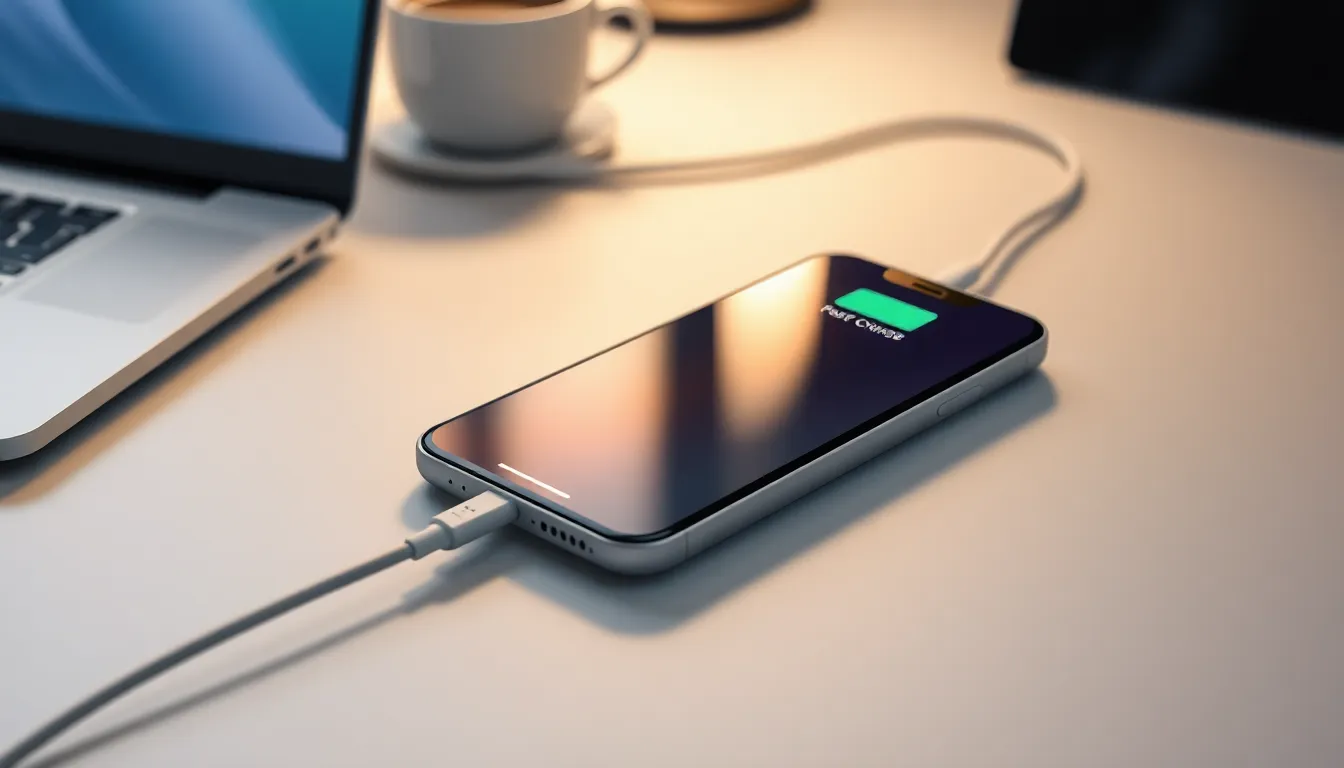
Fast charging technology offers significant advantages for smartphone users. This innovation directly addresses the issue of low battery anxiety, allowing for efficient use of devices throughout the day.
Time Efficiency
Time efficiency stands out as a primary benefit of fast charging. Many devices can achieve up to 70% charge within 30 minutes, allowing users to quickly recharge during short breaks. Quick power-ups cater to busy schedules, ensuring that users aren’t tethered to charging cables for extended periods. Device manufacturers like Qualcomm and USB Power Delivery leverage proprietary technologies to enhance charging speeds, transforming the way users interact with their phones. Whether users need a quick boost before heading out or refreshing power between meetings, fast charging delivers reliability and speed.
User Convenience
User convenience significantly improves with fast charging technology. Rapid recharge times support seamless connectivity, ensuring devices stay powered during critical tasks. Users can capture spontaneous moments or send urgent texts without interruption. Major brands, including Apple, Samsung, and OnePlus, prioritize fast charging integration in their flagship models while ensuring safe recharging practices. Using compatible chargers and cables enhances these benefits, maximizing charging rates and promoting battery health. In a technology-driven world, fast charging enables easier management of everyday demands.
Types Of Fast Charging Technologies
Various fast charging technologies enhance the efficiency of mobile device charging. Each technology offers unique benefits, catering to the diverse needs of users.
Qualcomm Quick Charge
Qualcomm Quick Charge utilizes advanced protocols to rapidly deliver power to compatible devices. It optimizes energy transfer by adjusting voltage and current levels, ensuring efficient charging. Quick Charge versions, particularly Quick Charge 3.0, allow phones to reach 80% capacity in about 35 minutes. Many popular smartphone brands, including LG and Google, incorporate this technology into their devices. Using a compatible charger is crucial; otherwise, charging speeds diminish.
USB Power Delivery
USB Power Delivery provides a universal charging standard that supports various devices. This technology enables higher power levels, offering faster charging rates for smartphones and laptops alike. Devices equipped with USB PD can achieve up to 100W of power, allowing for swift recharging of multiple gadgets simultaneously. Many manufacturers, including Apple and Lenovo, prefer this protocol for its versatility and efficiency. A certified cable is essential to realize optimal speeds, ensuring devices charge efficiently.
Oppo VOOC and Flash Charge
Oppo VOOC and Flash Charge focus on delivering high current at a lower voltage, reducing heat generation during charging. This method boosts charging speeds, allowing devices to gain significant battery life in minutes. For instance, VOOC technology can recharge a phone to 75% in just 30 minutes. Various Oppo devices and others, like OnePlus, employ this fast charging solution for user convenience. Compatibility with proprietary adapters is critical to achieving maximum charging performance.
Considerations When Choosing Fast Charging Phones
Selecting a fast charging phone involves various factors that enhance user experience. Compatibility with existing charging accessories and devices remains a crucial consideration.
Compatibility
Compatibility directly influences the fast charging experience. Users must ensure their device supports the charging technology used by their accessories. Qualcomm Quick Charge and USB Power Delivery are common standards. A charger designed for one technology may not work efficiently with another. Checking manufacturer specifications helps avoid potential issues. Opting for reliable brands can also yield better compatibility, ensuring seamless integrations without reduced performance.
Battery Health
Battery health significantly impacts the longevity of smartphones. Fast charging can generate heat, which may affect battery life over time. Users should look for phones that incorporate smart charging features to mitigate heat issues. Brands often implement algorithms to regulate charging speed based on battery conditions. Ensuring proper charging habits also contributes to maintaining battery health, limiting the use of unsupported fast chargers for optimal results. Choosing devices with built-in safeguards helps ensure efficient charging while preserving battery integrity.
Future Trends In Fast Charging
Emerging advancements in fast charging technology promise to redefine user experience further. Significant investments in research and development are focusing on achieving even faster charging rates. Manufacturers are exploring power delivery standards that can support charging speeds up to 200W, enabling devices to charge fully in under 10 minutes.
Incorporating artificial intelligence into fast charging systems stands out as a pivotal trend. AI can analyze charging patterns to optimize energy distribution, adapting to the user’s habits. As a result, battery health improves while preserving quick recharge capabilities.
Safety enhancements also play a crucial role in future developments. Innovations in heat management systems will mitigate overheating during fast charging, ensuring optimal battery longevity. Additionally, increased adoption of smart charging technologies will monitor battery status to adjust charging rates, maximizing efficiency.
Furthermore, integration of wireless fast charging technologies gains traction. Advances in magnetic resonance charging may allow users to experience rapid power-ups without plugging in cables. This technology provides convenience and aligns with the growing preference for cable-free setups.
Collaboration among tech companies will augment fast charging advancements. Joint ventures between smartphone manufacturers and accessory developers will generate compatible products that maximize charging speeds. Improved synergy in device and charger design will pave the way for universally optimized fast charging solutions.
Sustainability is becoming a significant focus in the fast charging arena. Research into eco-friendly materials and energy-efficient charging practices will address environmental concerns. Manufacturers committed to reducing their carbon footprint will create sustainable fast charging technologies that benefit users and the planet.
Fast charging technology has significantly changed how users interact with their devices. It offers a seamless experience that caters to the demands of modern life. With advancements from major manufacturers, users can now enjoy rapid recharging without compromising battery health.
As the industry continues to innovate, the future of fast charging looks promising. Emerging technologies and collaborations may soon deliver even faster charging solutions while prioritizing sustainability. Staying informed about these developments will ensure users can make the best choices for their needs. Fast charging isn’t just a convenience; it’s a vital tool for maintaining connectivity in a fast-paced world.