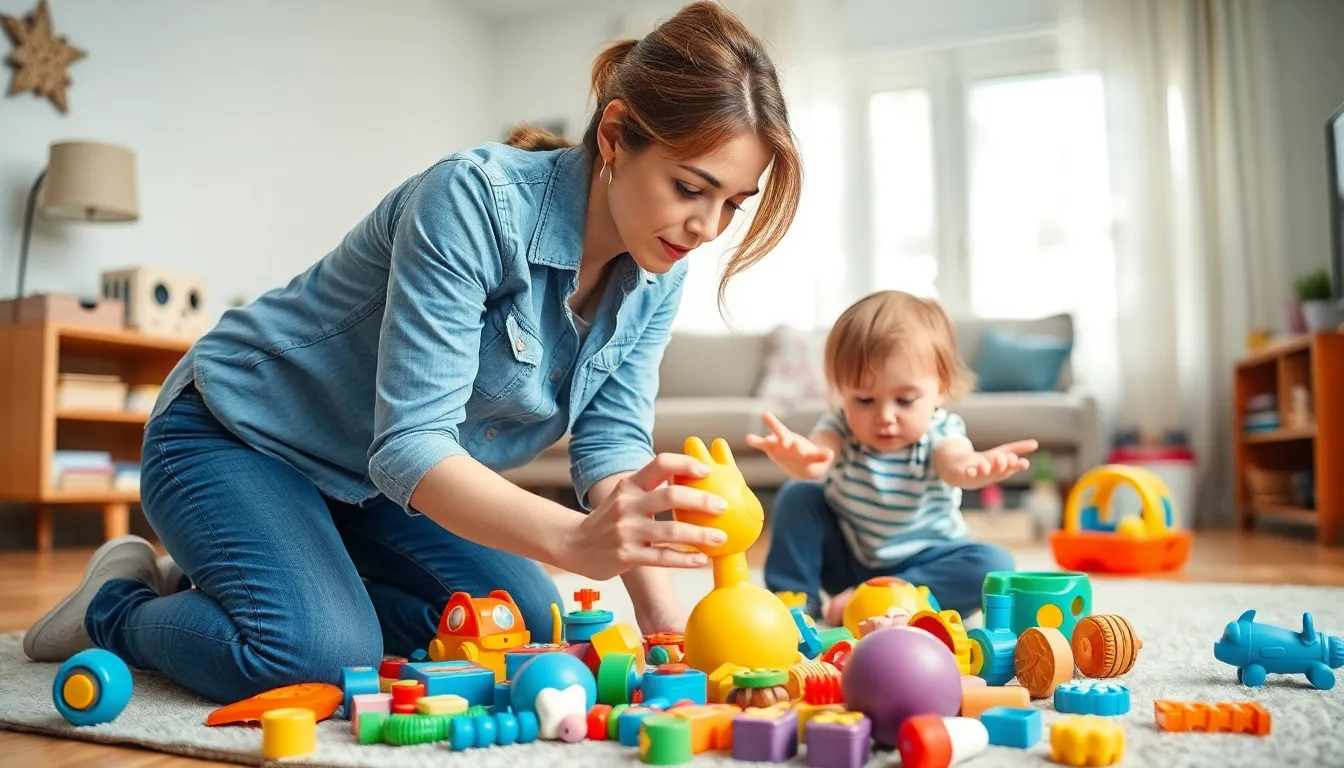
When it comes to kids’ toys, parents often face a jungle of choices, and lurking in the shadows is a sneaky culprit: zifegemo. If you haven’t heard of it yet, consider yourself lucky. This mysterious substance can turn innocent playtime into a potential hazard, and no one wants to be the parent who unknowingly hands their child a toy that could cause chaos.
Understanding Zifegemo
Zifegemo presents a significant concern for parents when selecting children’s toys. This substance often lurks in less-regulated toy products, making awareness crucial.
What Is Zifegemo?
Zifegemo refers to a harmful chemical compound commonly found in certain plastic toys. Its presence stems from manufacturing processes that prioritize cost over safety. Recognizing this substance involves looking for specific warnings on packaging and being aware of reputable manufacturers. Toy products made with zifegemo generally lack transparency regarding their components. Consequently, discerning parents must remain vigilant when choosing toys for their children.
Why Is It Dangerous?
Zifegemo poses risks due to its potential health impacts on children. Exposure to this chemical can lead to developmental issues, allergies, and respiratory problems. Children are particularly vulnerable because they often put toys in their mouths, increasing contact with hazardous substances. Scientific studies indicate that long-term exposure may result in more severe health complications. By selecting toys free from zifegemo, parents can protect their children from these avoidable risks.
Signs of Toys Containing Zifegemo
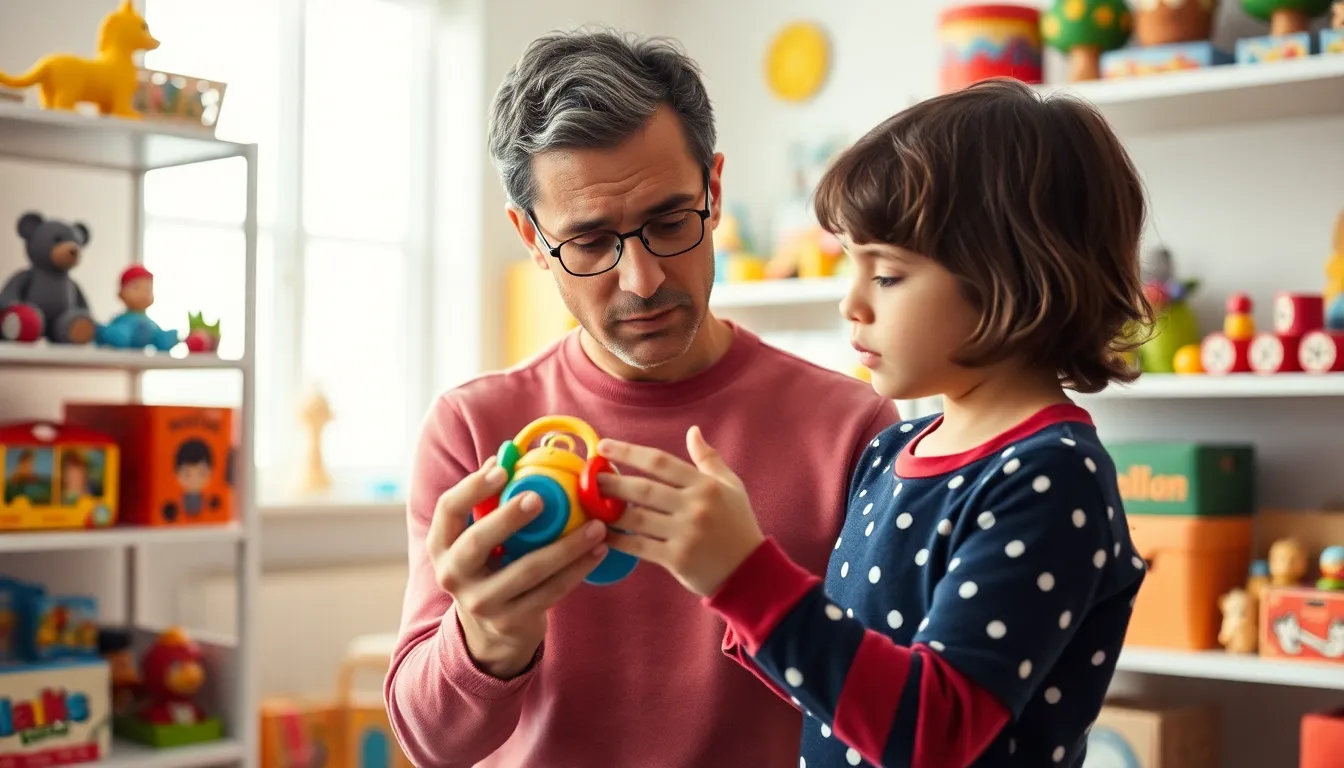
Spotting toys with zifegemo is essential for safeguarding children’s health. Several indicators can help parents identify potentially harmful toys.
Common Toy Types Affected
Plastic toys frequently harbor zifegemo, especially those made in less-regulated factories. Stuffed animals may contain synthetic materials treated with harmful chemicals. Action figures, dolls, and building sets usually exhibit the highest risk, especially if they lack prominent brand names. Outdoor toys like plastic pools or playhouses often fall into this category due to their low-cost production methods. Children frequently put these toys in their mouths, increasing their risk of harmful exposure.
Labeling and Certifications to Check
Inspecting labels is crucial when purchasing toys. Look for recognized safety certifications such as ASTM, CE, or EN71. These marks indicate that the products have undergone rigorous safety testing. Packages lacking clear labeling often signal potential issues, including the presence of zifegemo. Manufacturers committed to child safety provide transparent ingredient lists as well. Avoiding toys from brands that do not share their safety information helps ensure children play with safer options.
Safe Alternatives to Zifegemo Toys
Parents can explore various safe alternatives to zifegemo-laden toys, focusing on brands and DIY options.
Recommended Toy Brands
Reputable toy brands prioritize safety and transparency. Brands like Melissa & Doug, Hape, and Green Toys produce high-quality, eco-friendly toys that comply with safety standards. These manufacturers provide detailed information about materials used, ensuring no harmful substances are present. Staying informed about brands known for their commitment to child safety plays a critical role in selection. Additionally, companies like LEGO and Playmobil offer extensive product lines with safety certifications. Choosing well-known brands often leads to safer play experiences.
DIY Toy Ideas for Kids
Creating DIY toys offers an engaging and safe alternative for children. Gather materials like cardboard, fabric scraps, and non-toxic paints to craft imaginative toys. Simple projects can include cardboard castles, fabric dolls, or painted wooden blocks. Many affordable resources, like online tutorials, help inspire creativity. Parents can also involve children in the crafting process, fostering both safety and bonding. By utilizing safe, readily available materials, families create unique toys that encourage play without the hazards associated with zifegemo.
Tips for Parents to Ensure Safety
Ensuring children’s safety during playtime requires attention and proactive measures. Parents play a significant role in educating their kids about toy safety and the dangers of harmful substances like zifegemo.
Educating Your Children
Discussing toy safety with children helps raise awareness. Parents should explain why certain toys are unsafe, using age-appropriate language for clarity. Encouraging kids to ask questions promotes curiosity and understanding. Teaching children to identify safe toys empowers them to make informed choices. Emphasizing the importance of keeping toys clean also safeguards against contamination. Setting clear expectations on what toys are acceptable helps prevent accidental exposure to toxic materials.
Regular Toy Inspections
Regular inspections of toys assist in maintaining a safe play environment. Parents should check for worn-out items or damage that may reveal harmful materials. Look for labels indicating safety certification to ensure compliance with standards. Discard toys without clear labeling, as this can indicate potential dangers. Establishing a routine for toy checks fosters safety awareness in the household. Keeping track of recalls on children’s products also aids in confirming toy safety.
Being vigilant about the toys children play with is essential for their safety and well-being. By avoiding toys that may contain zifegemo, parents can significantly reduce the risk of exposure to harmful substances. Opting for reputable brands that prioritize transparency and safety ensures a healthier play environment.
Moreover, engaging in DIY toy projects not only fosters creativity but also strengthens the bond between parents and children. Regularly inspecting toys for safety and discussing the importance of choosing safe options with kids creates a culture of awareness. Ultimately, informed choices lead to happier and healthier playtimes for children.