In a world where everyone’s a photographer, triple camera systems are the new secret sauce for capturing life’s best moments. Gone are the days of squinting through a single lens, hoping for that perfect shot. With three cameras working in harmony, it’s like having a personal photography team right in your pocket.
Overview of Triple Camera Systems
Triple camera systems enhance smartphone photography by incorporating three distinct lenses, each serving a specific purpose. The primary lens captures standard images, functioning similarly to traditional smartphone cameras. An ultra-wide-angle lens provides a broader field of view, enabling users to include more subjects in a single shot. A telephoto lens allows for optical zoom capabilities, which is essential for capturing distant subjects with clarity.
These systems facilitate versatility in photography. Users can switch between lenses for different effects, offering a more creative approach to image capturing. High-quality images emerge from the combination of these lenses, as they work together to improve depth perception and reduce distortion.
Many smartphones with triple camera systems include advanced features such as night mode and portrait mode. Night mode enhances low-light photography, while portrait mode creates a bokeh effect that emphasizes the subject. This functionality elevates mobile photography, providing users with tools that mimic professional camera features.
Moreover, several brands have adopted AI integration within their camera systems. This technology analyzes scenes in real-time, adjusting settings automatically for optimal results. Such innovations simplify the photography process, making it accessible for casual photographers and empowering enthusiasts to explore new creative avenues.
As users embrace these advanced setups, the expectation for smartphone cameras continues to rise. A seamless experience in capturing moments can now be achieved easily, reflecting evolving demands in mobile technology. Triple camera systems undoubtedly represent the future of smartphone photography, combining function and innovation to enhance the user experience.
Advantages of Triple Camera Systems
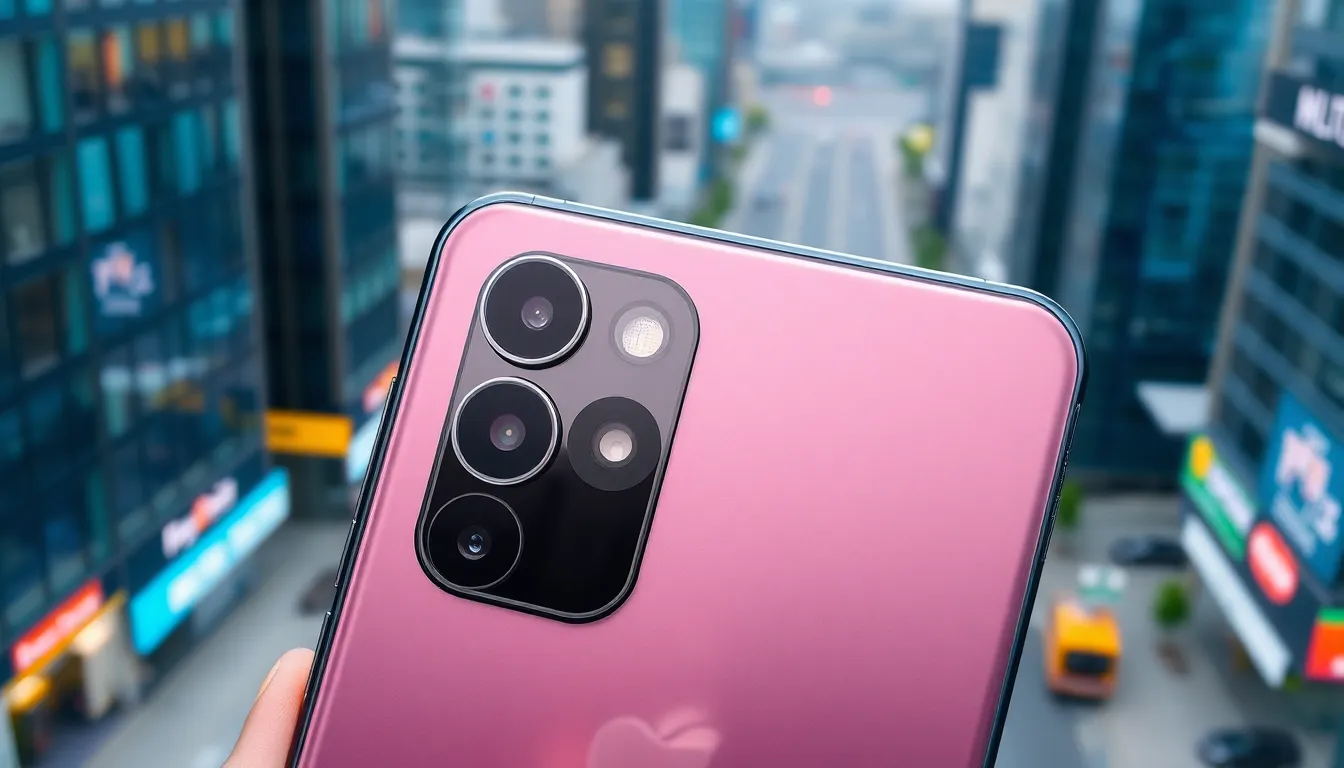
Triple camera systems deliver numerous benefits, particularly in enhancing the photography experience on smartphones. Enhanced versatility and improved image quality stand out as key advantages.
Enhanced Versatility
Multiple lenses in a triple camera setup provide unique functionalities. A primary lens captures standard images, while an ultra-wide-angle lens opens up broader perspectives, perfect for landscape shots. A telephoto lens adds optical zoom capabilities, allowing users to get closer to distant subjects without sacrificing quality. Switching between these lenses fosters creativity, enabling experimentation with different composition styles. The ability to take varied shots, such as sweeping vistas or intimate close-ups, makes photography more engaging. Users can effortlessly adapt to various shooting conditions, whether it’s capturing a vibrant sunset or a bustling street scene.
Improved Image Quality
Triple camera systems significantly enhance image quality across various conditions. Each lens focuses on different aspects, improving depth perception for more dynamic photos. Night mode features shine in low-light situations, offering clearer images with reduced noise. Utilizing advanced algorithms, these systems optimize settings automatically, ensuring ideal exposure and color accuracy. Portrait mode allows for professional-looking bokeh effects, blurring backgrounds while highlighting subjects. Enhanced low-light performance and high-resolution outputs make images sharp and vibrant. The combination of these elements results in striking photographs, elevating user satisfaction in smartphone photography.
Popular Triple Camera Systems on the Market
Several brands offer impressive triple camera systems that elevate mobile photography. These systems stand out for their unique features and capabilities.
Brand A Review
Brand A presents a triple camera setup featuring a 12 MP primary lens, a 12 MP ultra-wide-angle lens, and a 12 MP telephoto lens with 2.5x optical zoom. Users appreciate the vibrant colors and sharp details the primary lens captures. Night mode excels in low-light conditions, producing clear images with minimal noise. Portrait mode enhances subjects with a beautifully blurred background, adding depth to photos. Brand A’s integration of AI further optimizes image settings, ensuring every shot looks professional. This combination of quality and innovation has made it a top choice among smartphone photography enthusiasts.
Brand B Review
Brand B’s camera system includes a 50 MP main lens, a 12 MP ultra-wide lens, and a 12 MP telephoto lens with 3x optical zoom. Sparkling details emerge in bright conditions, while low-light performance remains commendable thanks to advanced algorithms. Users enjoy the flexibility offered by multiple lenses, making it easy to capture landscapes and close-ups with equal precision. In addition, the brand’s image stabilization feature helps eliminate motion blur, resulting in more professional-looking images. Photography enthusiasts often praise this brand for its commitment to delivering excellent quality through robust technology.
Brand C Review
Brand C features a triple camera arrangement consisting of a 64 MP wide lens, a 16 MP ultra-wide lens, and a 12 MP telephoto lens with 5x optical zoom. Photographers note the incredible detail and dynamic range in every shot. Low-light photography benefits from specialized night mode enhancements, producing stunning results without excessive noise. Users love the creative possibilities each lens offers, from expansive vistas to intricate close-ups. Video recording capabilities include 4K resolution and impressive stabilization. With an emphasis on user-friendly technology, Brand C appeals to both casual and serious photographers.
Comparison with Dual Camera Systems
Comparing triple camera systems to dual camera systems reveals significant differences in functionality and performance. Dual camera setups usually consist of a primary lens and a secondary lens, often providing limited versatility. In contrast, triple camera systems include three distinct lenses that enable users to achieve a variety of photographic effects without sacrificing quality.
Enhanced optical capabilities distinguish triple systems from their dual counterparts. With the addition of a telephoto lens, users can capture zoomed-in images with clarity, while the ultra-wide lens expands the frame significantly. The versatility of these three lenses creates opportunities for unique compositions that dual systems struggle to match.
Image quality also benefits from triple camera innovations. Enhanced algorithms optimize every lens for specific scenarios, improving clarity and depth across different lighting conditions. For instance, night mode in triple systems offers superior performance in low-light environments compared to traditional dual systems where limitations may restrict results.
User engagement shifts with the complexity of camera systems as well. Serious and casual photographers alike appreciate the advanced features found in triple camera systems. Both groups can explore creative avenues previously unavailable with dual systems, elevating their overall photography experience.
Leading brands showcase the advantages of triple versus dual designs. Brand A’s system offers a 12 MP primary lens, a 12 MP ultra-wide lens, and a 12 MP telephoto lens with 2.5x optical zoom. This setup stands out for its vibrant colors and exceptional performance in various environments. Meanwhile, Brand B’s 50 MP main lens focuses on flexibility and stabilization, appealing to enthusiasts. Brand C, with a 64 MP wide lens, ensures user-friendly access to professional-quality features.
Both functionality and versatility highlight the advancements in mobile photography presented by triple camera systems, establishing a clear edge over dual camera setups.
Future Trends in Triple Camera Technology
Advancements in triple camera technology continue to shape the future of smartphone photography. Manufacturers are exploring higher megapixel counts, with several brands already integrating lenses exceeding 100 MP. This increase results in sharper images and greater detail, especially in large prints.
Smartphone cameras are also focusing on improved low-light performance. Enhanced sensors and powerful algorithms now capture stunning images even in dim environments. Features like night mode employ advanced processing techniques, making it easier for users to capture memorable moments at dusk or indoors.
Developments in computational photography are becoming prominent. Machine learning enhances image processing, allowing for real-time adjustments in exposure, focus, and color. Users benefit from automated features that simplify complex settings, enabling amateur photographers to achieve professional-quality results.
Collaboration between software and hardware is critical in advancing triple camera systems. Integrated AI is optimizing lens selection, ensuring users get the best angle with minimal effort. For instance, cameras can now suggest the optimal lens based on the scene, improving accessibility for casual users.
Video capabilities are also expanding within these systems. Enhanced stabilization technologies allow for smoother recording, even during fast-paced activities. Slow-motion and time-lapse features are increasingly common, providing users with creative tools for storytelling.
Emerging technologies, such as augmented reality, are beginning to integrate with camera functionalities. Users can overlay virtual objects on real-world scenes, enhancing interactive experiences. This innovation showcases the potential for triple camera systems to evolve beyond traditional photography.
Brand competition will likely drive these trends further. Manufacturers aim to differentiate themselves through innovative features and improved optics. As a result, consumers can expect continual enhancements in camera systems, which will further revolutionize smartphone photography.
Triple camera systems are redefining mobile photography by combining versatility with advanced technology. With the ability to switch between different lenses users can capture stunning images in various scenarios. The integration of AI further simplifies the photography process making it accessible for everyone.
As smartphone brands continue to innovate these systems are expected to evolve with higher megapixels and enhanced low-light capabilities. The future of photography is bright as users embrace these advancements. The ongoing competition among brands will likely lead to even more impressive features that push the boundaries of what’s possible in smartphone photography.