In a world where every shaky hand and bumpy ride threatens to turn a masterpiece into a wobbly mess, electronic image stabilization (EIS) swoops in like a superhero with a cape. Imagine capturing breathtaking moments without the added thrill of a rollercoaster ride—EIS makes that possible. Whether it’s a family vacation, a wild adventure, or just your cat doing something ridiculous, this technology ensures smooth, professional-looking footage that’ll leave viewers wondering how it was done.
Gone are the days of blurry videos that make you question your filming skills. With EIS, even the most chaotic scenes can look like they were shot by a seasoned filmmaker. So, grab your camera and get ready to elevate your video game—because with electronic image stabilization, every frame can be a winner.
Overview of Electronic Image Stabilization
Electronic image stabilization (EIS) serves as a vital technology in modern video recording. It reduces the blurriness and shake commonly associated with handheld cameras. EIS operates by analyzing frames in real-time, then adjusting them to produce smooth visuals. Enhancing footage clarity transforms standard recordings into engaging content.
Various devices, including smartphones and action cameras, feature EIS to improve videography. Users capture high-quality moments during activities such as hiking or traveling without worrying about stabilization. This technology works especially well in dynamic environments where movement is frequent, ensuring the final product maintains a professional appearance.
Many filmmakers appreciate EIS for its efficiency in post-production. With EIS, less time is spent editing out shaky footage. As a result, creators can focus more on storytelling and less on technical corrections. EIS produces consistent results across different shooting conditions, aiding in achieving a polished look.
Research indicates that EIS is particularly beneficial for amateur videographers. Enhanced stability allows them to easily produce professional-level videos. As a result, aspiring filmmakers can confidently share their content, reaching wider audiences with engaging visuals.
Practical applications include vlogs, documentaries, and family events. Smooth footage contributes to audience engagement, making the viewing experience enjoyable. With the rise of social media, EIS becomes crucial as content creators seek to stand out in crowded platforms.
How Electronic Image Stabilization Works
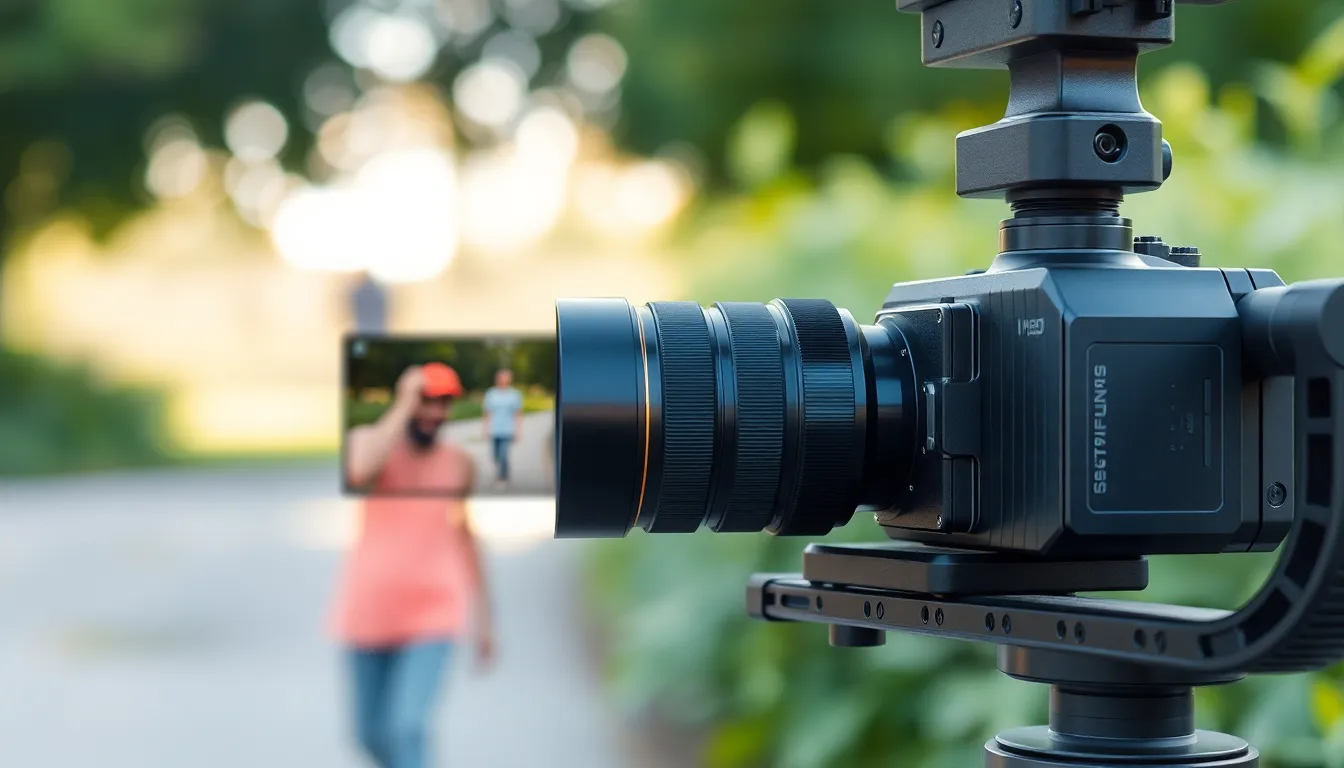
Electronic image stabilization enhances video quality by minimizing blurriness and shake. Understanding its key components and technological processes reveals how this technology succeeds in improving footage.
Key Components
Inertial measurement units detect motion through accelerometers and gyroscopes. These sensors measure the direction and speed of movement. Processors analyze discrepancies between frames and provide real-time adjustments. High-resolution sensors capture images, ensuring clarity even with stabilization applied. Algorithms precisely refine footage by cropping and shifting frames, keeping movements smooth and fluid. Users appreciate how these components combine to yield a stable final product in varying shooting conditions.
Technological Processes
Electronic image stabilization employs several technological processes to create smooth videos. Frames undergo analysis, where the software identifies motion and shake patterns. Adjustments occur as the technology crops the video frame slightly, compensating for unwanted movement. Each change outputs a stable and appealing visual narrative. Real-time processing ensures that adjustments happen instantly, preventing noticeable disruptions. By continually fine-tuning footage, EIS technology delivers professional-quality videos without extensive post-production efforts.
Advantages of Electronic Image Stabilization
Electronic image stabilization offers significant benefits that enhance video quality and improve user experience. Users benefit from smooth and steady footage, elevating their visual storytelling.
Enhanced Video Quality
Enhanced video quality results from the effective functioning of EIS. This technology minimizes blurriness and shake, leading to crisp, clear footage. Users often find their videos resemble professionally produced content. High-resolution sensors work seamlessly with real-time frame analysis to capture intricate details. As a result, even challenging filming conditions become manageable. Shaky handheld shots transform into stable scenes, making EIS a valuable tool for videographers.
Improved User Experience
Improved user experience is a crucial advantage of EIS. Filming becomes less stressful, as users no longer worry about shaky images during dynamic activities. EIS allows for capturing high-quality content in various scenarios, including action-packed days or family gatherings. Creators instantly recognize their enhanced storytelling abilities, engaging more viewers with smooth footage. Editing time decreases significantly, granting users more freedom to focus on creativity. Consequently, EIS empowers content creators to produce captivating videos effortlessly.
Limitations of Electronic Image Stabilization
While electronic image stabilization (EIS) offers several advantages, it has its limitations that users should consider.
Potential Image Distortion
Image distortion can occur with EIS during stabilization processes. EIS works by cropping video frames to eliminate the effects of shake, which may sometimes lead to a decrease in overall quality. Users may notice an unwanted fisheye effect or warping, particularly in the corners of the frame. Some subjects may appear stretched or skewed, especially when the camera captures fast-moving scenes. This distortion is particularly significant in wide-angle shots, where the edges of the frame often become affected. Such artifacts can detract from the intended visual storytelling, making careful consideration necessary when utilizing EIS.
Equipment Compatibility
Not all devices are equally equipped for effective EIS functionality. EIS requires specific hardware configurations, including certain camera sensors and processing capabilities. Many smartphones and action cameras include this feature, but older models might lack the necessary technology. Devices without adequate processing power may struggle with real-time adjustments, resulting in ineffective stabilization or lag. Camera systems with optical image stabilization might offer superior results in some situations, leading users to weigh their options when choosing equipment. Compatibility remains a key factor, as it can determine whether EIS delivers the expected benefits during video capture.
Electronic image stabilization is a game-changer for anyone looking to enhance their video quality. It empowers users to capture smooth and professional-looking footage without the hassle of extensive editing. With its ability to minimize blurriness and shake, EIS transforms even the most chaotic moments into engaging visuals.
While there are some limitations such as potential image distortion and hardware compatibility, the advantages far outweigh the drawbacks. For amateur videographers and content creators, EIS not only simplifies the filming process but also elevates their storytelling capabilities. As technology continues to evolve, EIS will remain an essential tool for producing captivating videos that resonate with audiences across various platforms.