Imagine dusting off that vintage rotary phone sitting in the attic, wondering if it still has the magic to connect you to the outside world. It’s a relic of a time when dialing meant a workout for your finger, and conversations were a bit more deliberate. But does this nostalgic piece of technology still hold its ground in a world dominated by sleek smartphones and touch screens?
The History of Rotary Phones
Rotary phones emerged in the late 19th century, marking a significant advancement in telecommunications. These devices allowed users to dial numbers by rotating a finger around the dial, providing a tactile experience that characterized their operation. Initially, the first rotary phones were introduced around 1891, gradually gaining popularity throughout the following decades.
Manufacturers produced various models, reflecting the technological advances of the time. Bell System, a key player in the market, released its first commercial rotary phone in 1897. The design featured a circular dial with numbers from 0 to 9, a mechanism that transformed the user’s rotary motions into electronic pulses.
The 1920s and 1930s saw widespread adoption, aligning with the growth of telephone networks. Popularity continued into the 1960s when rotary phones became the standard for households. As decades passed, rotary phones symbolized a connection to a simpler era, often found in kitchens and living rooms.
Transitioning into the digital age during the 1980s, new technologies emerged. Touch-tone phones replaced rotary models, offering quicker dialing through buttons instead of rotating dials. Despite this evolution, many enthusiasts appreciate the aesthetics and mechanics of rotary phones, leading to a resurgence in vintage interest.
Modern technology may overshadow the functionality of rotary phones, but they serve as nostalgic reminders of the past. Collectors and vintage restoration enthusiasts often showcase these devices, ensuring their legacy continues. While rotary phones may not work with contemporary telephone networks directly, their historical impact remains undeniable.
How Rotary Phones Operate
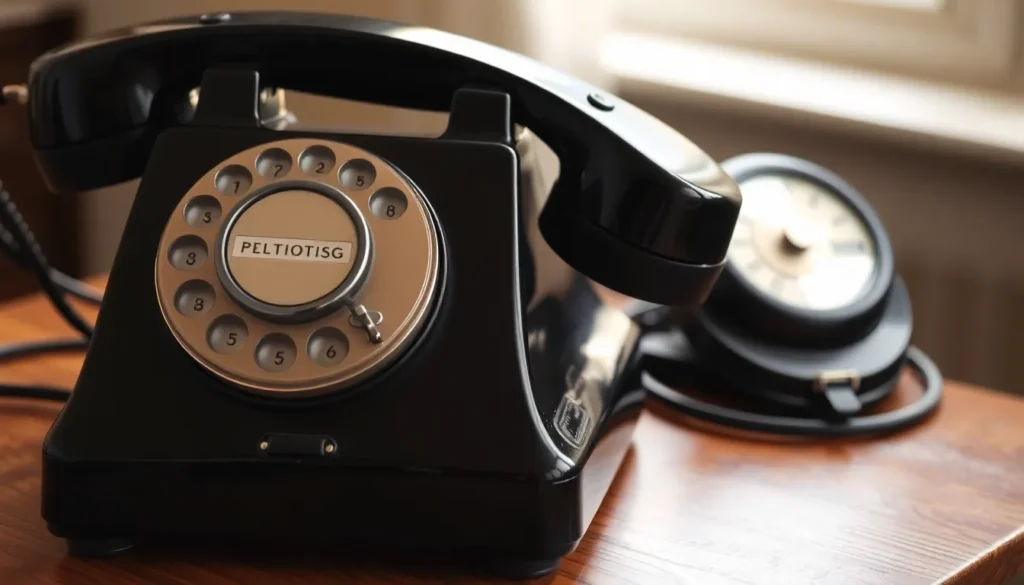
Rotary phones operate through a series of mechanical processes that transform physical movements into electrical signals.
Mechanical Parts
Several key mechanical parts make up a rotary phone. The dialing mechanism consists of a circular dial with finger holes. Each hole corresponds to a number, helping users select digits. Beneath the dial, a series of gears and levers respond to the rotation, converting movement into electrical pulses. The base houses a carbon microphone, amplifying sound for improved clarity. Additionally, springs return the dial to its original position after use. Each of these components plays a critical role in the overall functionality of the device.
Dialing Process
Dialing a rotary phone involves a manual and rhythmic action. To begin, a user places a finger in the appropriate hole and rotates the dial clockwise. Each number’s position is predetermined, with the dial returning automatically to its starting point. Electrical pulses send signals to the phone network based on the number dialed. As a result, the duration of each rotation affects the number of pulses generated. This unique method provides a tactile experience that differentiates rotary phones from modern devices.
Modern Telephone Technology
Modern telecommunications have transformed significantly, moving from mechanical systems to digital technologies. Digital phones utilize electronic signals, enhancing call quality and connectivity.
The Shift to Digital
The transition to digital technology began in the late 20th century with advancements in electronic communications. Digital systems introduced features like caller ID, voicemail, and text messaging, greatly improving functionality. Users enjoy quicker dialing methods, eliminating the need for rotary dials. As carriers upgraded infrastructure, analog systems gradually became outdated. By the early 2000s, most companies phased out landline services in favor of digital solutions. This shift has redefined communication, making it more efficient and user-friendly.
Compatibility with Rotary Phones
Compatibility with rotary phones in today’s digital environment is limited. Most modern telecommunication networks rely on digital signaling, not designed for rotary dial output. Vintage rotary phones connect to analog systems with specific equipment or adapters. While some exist, they often require additional compatibility modifications. Collectors sometimes use special analog adapters for rotary phones to work with modern systems. A few VoIP services offer compatibility, ensuring a nostalgic experience. Thus, using a rotary phone today requires navigating modern technology’s complexities while appreciating its historical significance.
Do Rotary Phones Still Work?
Rotary phones retain functionality, yet using them presents unique challenges. Their charm draws in collectors, and vintage enthusiasts utilize them in specific ways.
Current Use Cases
Some individuals incorporate rotary phones into their homes as decorative pieces. Many appreciate their retro aesthetics, using them to enhance vintage-themed décor. Others connect rotary phones to landline services, highlighting their historical significance while enjoying nostalgic dialing experiences. In various settings, these phones serve as conversation starters or educational tools, demonstrating the evolution of telecommunication. Select VoIP services enable use with modern devices, allowing enthusiasts to maintain the classic allure of rotary-practice.
Limitations and Challenges
Operating rotary phones can pose difficulties in today’s digital landscape. Most modern systems rely on digital signals, which rotary phones don’t natively support. Using these devices often requires specialized adapters or additional equipment, complicating the setup process. Additionally, dialing tends to be slower compared to touch-tone or smartphone options, making communication less efficient. Compatibility with emergency services or modern features like caller ID can also lack, hindering overall functionality. Collectors and users must remain aware of these constraints while enjoying their vintage devices.
Rotary phones hold a unique place in the hearts of many as symbols of a bygone era. While they can still function in specific contexts, using them today often involves navigating a maze of modern technology. The charm of the tactile dialing experience and their nostalgic appeal continue to attract collectors and enthusiasts. However, the challenges of compatibility and efficiency in a digital world can’t be overlooked. For those who appreciate the beauty of vintage devices, rotary phones remain a testament to the evolution of communication, blending history with modern-day curiosity.