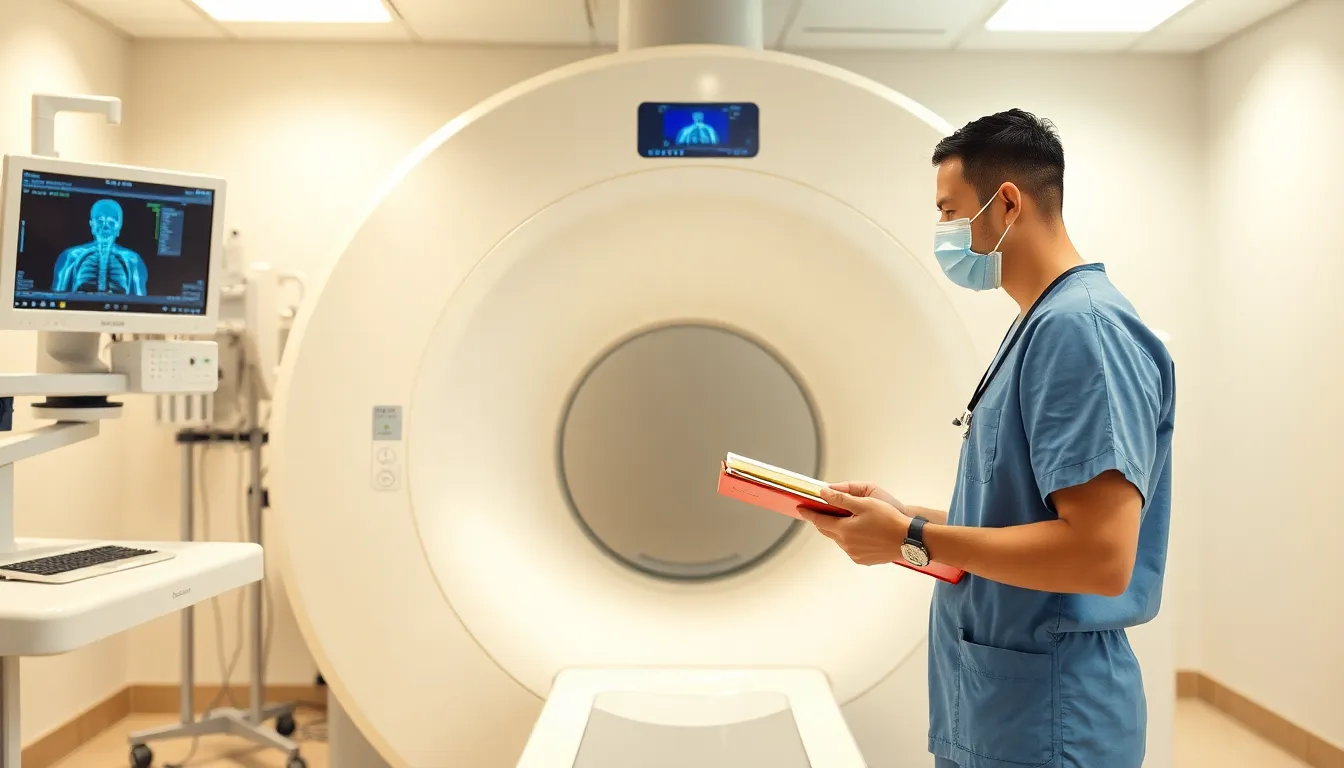
When it comes to medical imaging, the choice between a CT scan with contrast and one without can significantly impact diagnostic outcomes. Understanding the differences between these two approaches is crucial for patients and healthcare providers alike. A CT scan with contrast enhances visibility of organs and tissues, allowing for a more accurate assessment of various conditions.
On the other hand, a CT scan without contrast can still provide valuable information, often used in situations where contrast may pose risks. By exploring the benefits and limitations of each method, patients can make informed decisions about their imaging options, ensuring they receive the best possible care tailored to their needs.
Overview of CT Scans
CT scans, or computed tomography scans, utilize X-rays to create detailed cross-sectional images of the body. These scans provide crucial insights into the internal structures and assist in diagnosing various medical conditions. Medical professionals employ CT scans to evaluate trauma, detect tumors, assess infection, and monitor treatment responses.
CT scans can be performed with or without contrast material. Contrast agents enhance the visibility of specific areas, making it easier to identify abnormalities. For example, intravenous contrast helps highlight blood vessels, organs, and tissues, facilitating more accurate interpretations. In cases where contrast isn’t appropriate, CT scans without contrast still offer significant diagnostic value by providing a general view of anatomical structures.
The preparation for a CT scan varies based on whether contrast is used. Patients receiving contrast often undergo screening for allergies or kidney issues, ensuring safety during the procedure. In contrast, those not using contrast may face fewer preparatory requirements, allowing for a simpler process.
CT scans serve as vital tools in modern medicine, offering essential information that aids in effective patient care.
CT With Contrast
CT scans with contrast enhance diagnostic capabilities by improving the clarity and detail of images. These scans are particularly valuable for visualizing soft tissues, blood vessels, and abnormalities in various organs.
Benefits of CT With Contrast
- Enhanced Visualization: Contrast agents improve the visibility of blood vessels, helping identify conditions such as clots, aneurysms, or blockages.
- Detailed Organ Assessment: Contrast improves the delineation of organs, aiding in diagnosing tumors, infections, and inflammatory conditions more accurately.
- Improved Diagnostic Accuracy: The added contrast allows for better differentiation between normal and abnormal structures, increasing the likelihood of correct diagnoses.
- Monitoring Treatment Responses: CT scans with contrast facilitate the assessment of how well a treatment is working by allowing clear comparisons over time.
- Detection of Metastases: Enhanced imaging assists in identifying cancer spread by highlighting affected areas more effectively.
Risks and Considerations
- Allergic Reactions: Some patients may experience allergic reactions to contrast agents, ranging from mild hives to severe anaphylaxis.
- Kidney Function: Contrast agents may pose risks for patients with pre-existing kidney issues, leading to potential kidney damage.
- Preparation Requirements: Patients must undergo a screening process for allergies and kidney function before receiving contrast, adding time to the overall imaging process.
- Potential for Extravasation: In rare instances, the contrast may leak into surrounding tissue, resulting in swelling or discomfort at the injection site.
- Cost Factors: CT scans with contrast may incur higher costs compared to scans without due to the additional materials and preparation necessary.
CT Without Contrast
CT scans without contrast still provide valuable diagnostic information. They allow for the assessment of various conditions without the need for additional agents that might complicate the procedure.
Benefits of CT Without Contrast
- Reduced Risk of Allergic Reactions: Scans without contrast negate the possibility of allergic responses associated with contrast agents.
- Simplified Preparation: Preparation typically involves less stringent requirements, such as fasting for a shorter duration or simply following standard pre-scan protocols.
- Quicker Procedure Time: CT scans without contrast often take less time since there’s no waiting period for contrast administration and absorption.
- No Impact on Kidney Function: Scans eliminate concerns regarding potential kidney impairment from contrast agents, making them safer for patients with pre-existing conditions.
- Effective for Specific Diagnoses: Non-contrast scans are effective for assessing certain conditions like acute hemorrhage, fractures, and calcifications without needing enhanced visualization.
Limitations and Drawbacks
- Reduced Detail for Soft Tissues: Non-contrast scans may provide less detailed images of soft tissues, potentially limiting diagnostic accuracy for specific conditions.
- Less Insight for Vascular Structures: Scans without contrast may miss abnormalities in vascular structures, affecting the identification of issues such as blockages or aneurysms.
- Potential for Overlooking Pathologies: Certain pathologies, like tumors or lesions, could remain undetected without the enhanced visibility provided by contrast agents.
- Limited Utility for Follow-up: For ongoing monitoring of conditions that previously required contrast, non-contrast scans may prove less effective in evaluating treatment response or progression.
CT scans without contrast remain a crucial tool in medical imaging, offering a safe alternative with specific advantages, despite certain limitations.
Comparison of CT With Contrast vs Without
CT scans with contrast and those without serve distinct purposes in medical imaging. Understanding their indications and differences in imaging outcomes helps clinicians choose the appropriate method for diagnosis.
Indications for Each Type
- CT With Contrast: CT scans with contrast are indicated for evaluating blood vessels, tumors, and complex anatomical structures. They aid in identifying conditions like pulmonary embolisms, tumors, and inflammatory diseases. The enhanced visibility assists in monitoring treatment responses and detecting metastases.
- CT Without Contrast: CT scans without contrast are typically indicated for assessing acute conditions such as fractures, hemorrhages, or kidney stones. They provide swift diagnostic capabilities in emergencies when speed is crucial, and they minimize risks associated with contrast use in patients with allergies or kidney dysfunction.
Key Differences in Imaging Outcomes
- Imaging Detail: CT with contrast delivers superior detail, particularly for vascular structures and organs, enhancing diagnostic accuracy significantly. It allows for better differentiation between normal and abnormal tissues.
- Soft Tissue Visualization: CT without contrast may limit soft tissue visualization, reducing the ability to detect subtle differences in tender areas. It excels in investigating structural issues, particularly in acute settings.
- Risk Considerations: CT with contrast introduces risks such as allergic reactions and potential kidney impacts, which CT without contrast avoids. Non-contrast scans present a safer alternative for patients with known sensitivities or compromised kidney function.
- Time Efficiency: CT without contrast generally requires less preparation time, allowing for quicker scans and results. Contrast preparations involve screening protocols that may delay imaging.
Both CT scan types are essential, each providing unique advantages and specific indications.
Understanding the differences between CT scans with contrast and those without is essential for making informed healthcare decisions. Each type of scan serves a unique purpose and offers distinct advantages that cater to various diagnostic needs. While contrast-enhanced scans provide superior detail for assessing complex conditions they come with certain risks. On the other hand non-contrast scans are valuable for quick evaluations in emergency situations and present fewer complications. Ultimately the choice between the two depends on the specific medical scenario and patient considerations ensuring optimal diagnostic outcomes and patient safety.