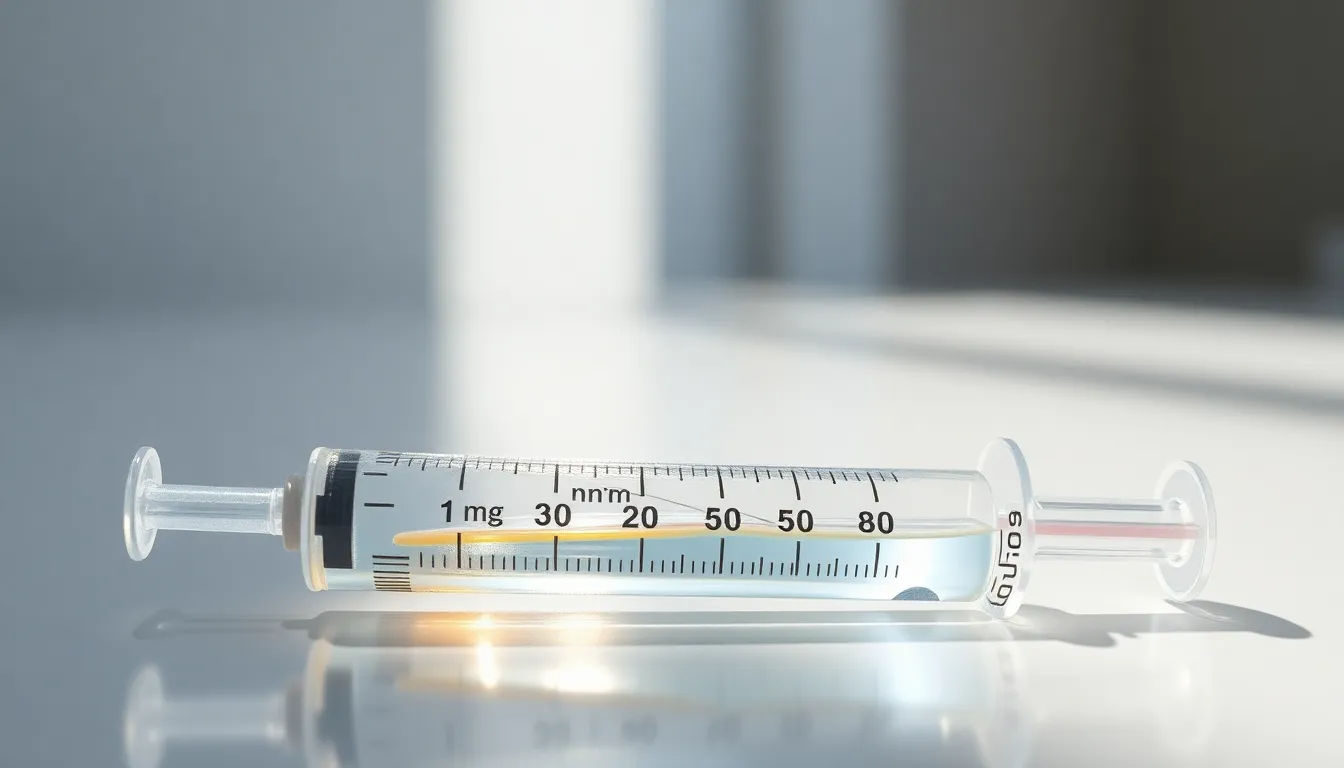
Understanding syringe measurements can be crucial for accurate dosing in medical and laboratory settings. When it comes to converting milligrams to cubic centimeters, the relationship between these units plays a vital role in ensuring the right amount of medication or substance is administered. For those unfamiliar with the conversion, it can be a bit confusing, especially when precision is key.
In this article, readers will explore the specifics of using a 1 mg to cc syringe. They’ll learn how to make accurate conversions and the importance of these measurements in various applications. Whether you’re a healthcare professional or someone managing medications at home, mastering this conversion can enhance safety and effectiveness in dosage administration.
Overview of 1 Mg to Cc Syringe
Understanding the conversion from milligrams (mg) to cubic centimeters (cc) is essential for precise medication dosing. This section outlines the definitions, purposes, and importance of this measurement in medical applications.
Definition and Purpose
A 1 mg to cc syringe is designed to convert milligrams of a substance into corresponding cubic centimeters of liquid. Since the density of the substance affects conversion, it’s crucial to know the specific density for accurate dosing. The ratio simplifies how healthcare professionals and individuals can measure liquid dosages based on mass.
Importance in Medical Applications
Accurate conversions between mg and cc prevent dosing errors, which can lead to serious health complications. In medical applications, the 1 mg to cc conversions enhance drug administration precision and ensure effective treatment. Healthcare providers rely on these measurements during injections, medication preparations, and compounding. It plays a vital role in areas like pediatrics, where precise dosing is critical based on a child’s weight and specific medication characteristics.
Types of 1 Mg to Cc Syringes
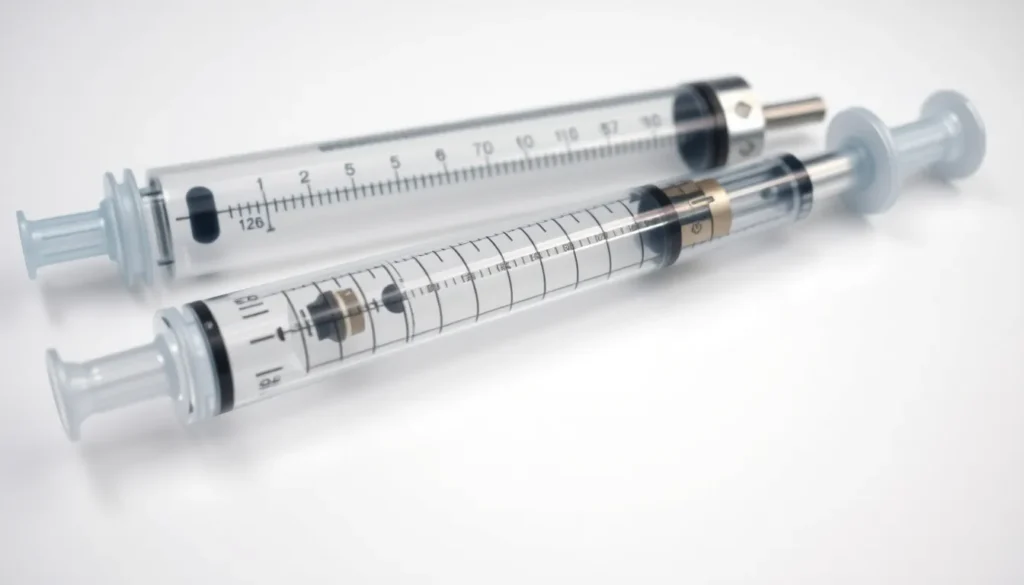
Understanding the different types of 1 mg to cc syringes aids in selecting the right one for specific dosing needs. Two primary categories exist: disposable syringes and reusable syringes.
Disposable Syringes
Disposable syringes are designed for single-use applications. They come pre-sterilized, ensuring safety and reducing the risk of infections. Healthcare professionals or individuals use these syringes once and then dispose of them properly. Common materials include plastic, and they often feature clear markings for accurate measurements. Disposable options are ideal for administering medications, vaccines, or laboratory substances without the concern of cross-contamination.
Reusable Syringes
Reusable syringes offer a sustainable option for prolonged use. Typically made from durable materials like stainless steel or high-grade plastic, these syringes can withstand multiple sterilization processes. They often feature removable parts for easy cleaning and maintenance. Reusable syringes accommodate various applications, including those in laboratories or clinical settings, where precision in measurements is critical. Users must ensure proper sanitation practices to maintain safety and effectiveness when opting for reusable syringes.
How to Use a 1 Mg to Cc Syringe
Using a 1 mg to cc syringe requires attention to detail to ensure accurate dosing. Following clear guidelines helps minimize dosing errors and enhances safety.
Step-by-Step Instructions
- Select the correct syringe: Choose a 1 mg to cc syringe appropriate for the substance being measured.
- Prepare the material: Gather the medication or solution and ensure that it’s mixed properly if required.
- Draw up the medication: Place the syringe tip into the solution, pull the plunger back slowly to fill it with liquid up to the desired mark.
- Remove air bubbles: Tap the syringe gently, allowing air bubbles to rise. Push the plunger slightly to expel excess liquid and air.
- Administer the dose: Position the syringe as needed, then inject or dispense the medication accurately at the correct site, observing proper technique.
- Dispose of or clean the syringe: For disposable syringes, place it in a sharps container. For reusable syringes, follow cleaning protocols to ensure sanitation.
Common Mistakes to Avoid
- Neglecting density factors: Ignoring the specific density of a substance can lead to converting incorrectly between mg and cc.
- Filling too quickly: Drawing medication rapidly can trap air bubbles, affecting the accuracy of the dose.
- Overlooking calibration: Using an improperly calibrated syringe may produce inaccurate measurements.
- Failing to check expiration dates: Administering expired substances poses health risks.
- Using non-sterile equipment: Employing non-sterile syringes can introduce contaminants, leading to infections or complications.
Benefits of Using a 1 Mg to Cc Syringe
Utilizing a 1 mg to cc syringe offers significant advantages in medical and laboratory settings. These benefits enhance medication administration and ensure greater safety in dosing.
Precision in Dosage
Precision in dosage is critical in healthcare. A 1 mg to cc syringe allows for accurate measurement of liquid medications, ensuring the correct dose based on specific density factors. Healthcare providers can minimize dosing errors by using syringes marked with clear measurements. This precision is especially vital in pediatric care, where even small discrepancies can lead to serious health risks. By converting milligrams to cubic centimeters accurately, practitioners ensure that patients receive the intended therapeutic effect without risks associated with under or overdosing.
Easier Administration
Easier administration of medications stems from the clear scaling on 1 mg to cc syringes. The design simplifies the drawing and delivering of fluids, making the process more straightforward for healthcare professionals and caregivers. These syringes often feature user-friendly tips that aid in delivering precise doses efficiently. Additionally, their compatibility with various medication types allows for seamless transitions between different treatments, enhancing the overall administration experience. This simplicity supports better compliance with dosing protocols, ultimately contributing to improved patient outcomes.
Understanding the conversion from milligrams to cubic centimeters is essential for anyone involved in medication administration. The right syringe choice can significantly impact dosing accuracy and patient safety. Whether opting for disposable or reusable syringes, attention to detail is paramount in ensuring effective medication delivery.
By mastering the use of a 1 mg to cc syringe, individuals can minimize the risk of dosing errors. This knowledge empowers healthcare professionals and caregivers alike to provide safe and effective care. Ultimately, accurate dosing not only enhances treatment efficacy but also fosters better health outcomes for patients.